
Diet advice for PCOS (now also called PMOS)
Have you been diagnosed with PCOS and are struggling to know how to manage your symptoms?
Perhaps you’re confused about the best types of food to include in your diet?
I can help!
book a free discovery call Heather DanielsRegistered Dietitian · More about me
How I can help with PCOS
I will help you by providing personalised advice and education regarding your diet, meal planning, and lifestyle modifications to help manage your PCOS symptoms and improve your overall health, as well as supporting your fertility goals if applicable.
You may also see PCOS called by its new name, polyendocrine metabolic ovarian syndrome (PMOS).
Here are some specific ways I can assist you:
Balancing blood glucose levels
PCOS is often associated with insulin resistance, so a meal plan that supports stable blood glucose levels is essential. I will guide you on choosing the right balance of carbohydrates, proteins, and fats to minimise insulin spikes.
Managing weight
I can provide guidance on portion control, mindful eating, and making healthy food choices to support weight management goals.
Lifestyle modifications
Beyond diet, I can provide guidance on other lifestyle modifications that can positively impact PCOS management, such as regular physical activity, stress management, and sleep hygiene.

Planning for a healthy future
After the initial consultation, I provide ongoing support and monitoring to help you stay on track with your dietary goals.
If you are taking a weight loss medication such as Mounjaro, I can also support you with your diet throughout your treatment.
Working with me will provide you with the knowledge, skills, and support you need to make informed choices that support your diet goals.
book a free discovery callSome lovely words from those I have already helped
Thanks again for the supportive and informative review session on Sunday. I find it very helpful to get encouragement and 'behavioural nudge' to eat well and always come away from our sessions feeling much more positive.
Rosalind 
I have been tracking my food and exercise since we met. There are times when there is a lot of temptation etc. and I am finding the power to have a little and then stop and then make healthier choices. I haven't had much time to cook a but I think I'm making better choices when I eat out. I've lost a kilo since we met in a way that hasn't felt restrictive and so I am really happy.
Nicola 
Heather has shown great sensitivity and given lovely advice, that relates nicely both to my being a diabetic and in due consideration of other medical concerns, which are rather pressing at the current moment, all which she tuned into exceptionally well. It is nice to see someone showing such respect together with appropriate professional and medical knowledge/expertise.
Gershon 
I run my own business, so my time is limited. I was recommended to Heather because after an initial face-to-face consultation we were able to switch to online which suited me perfectly. In my business it is so easy to stay at work late and eat rubbish, but working with Heather has meant that I not only have a proper diet regime, but she keeps me on track when I am under pressure at work. So I never slip of the wagon. I would recommend her to anyone with a busy lifestyle that cannot get to see her in person.
James 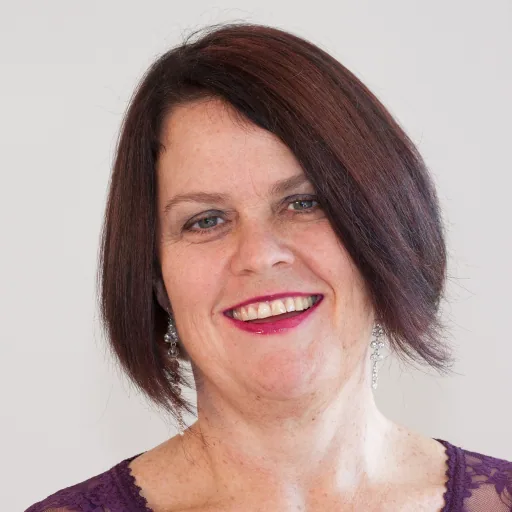
I would highly recommend Heather and Expert Diet Advice. I have had a weight problem all of my life and tried every diet club, read every book and tried every diet plan. Some worked others didn't, but none of them gave me the long term lifestyle change that I needed. With Heather everything has changed because I not only lost the weight I wanted, but I have kept it off with ongoing consultations. She understands my personal challenges and has given me a solution that works!
Melanie
Book a free discovery call to chat about how I can help
book a free discovery callGot Any Questions?
FAQ
Is PCOS the same as PMOS?
Yes. In 2026 polycystic ovary syndrome (PCOS) was given a new name, polyendocrine metabolic ovarian syndrome (PMOS), after an international review. The new name reflects that the condition affects hormones and metabolism throughout the body, not just the ovaries. You may see either name for some time, and my advice applies to both.
Why see a Dietitian rather than a Nutritionist?
Dietitians are the only nutrition professionals to be regulated by law, and are governed by an ethical code to ensure that they always work to the highest standard. Dietitians advise and influence food and health policy across the spectrum from government, to local communities and individuals.
Their title is protected by law and only those registered with the statutory regulator, the Health and Care Professions Council (HCPC) can use the title of Dietitian/Registered Dietitian (RD).
Nutritionists are qualified to provide information about food and healthy eating, but not about special diets for medical conditions.
Which specific conditions can you advise me on?
I can advise you on the following conditions:
- Pre-Diabetes
- Type 2 Diabetes
- Weight loss/maintenance
- High cholesterol
- Polycystic Ovary Syndrome (PCOS)
Do you offer virtual appointments?
Yes – all appointments can be face-to-face, via telephone or Zoom. These appointments are interchangeable, so you are welcome to choose the method of communication each time.
How often will I need to see you?
There is no commitment to follow up appointments and no ‘tie-in’ packages. I believe that regular follow-up appointments are helpful in keeping up motivation and sticking to the suggested changes, especially in the early stages. However, this can be adjusted to the level of support that you feel you require. This may mean that follow-up appointments are frequent initially and become more spread out as you feel more confident with the changes made.
Do you provide meal plans?
I do not provide STRICT meal plans. The aim of the consultations is to educate you about the best foods for you (depending on any medical conditions), as well as the portion sizes of these foods. Strict meal plans do not do this – they simply tell you what to eat. From my experience, most people find these quite tedious after a while (even if they are enthusiastic at the start!) and go back to their previous way of eating. Making gradual changes to your current has a much more sustainable effect. However, for those who do like to have a little more structure, I do offer meal and snack options, which are interchangeable and offer the flexibility required for long-term change.