Can You Have Your Christmas Cake and Eat It?
In short
Yes, you can. Having Diabetes does not mean missing out on the foods you enjoy at Christmas. Balance your plate, be mindful of portion sizes, have mince pies, pudding and cake as a dessert, never drink on an empty stomach, and get back to your normal pattern of eating as quickly as you can.
Christmas is a time for celebration, family gatherings and, of course, plenty of delicious food. However, if you are living with Diabetes, the festive season can sometimes bring extra challenges when it comes to managing blood sugar levels. From mince pies and Christmas pudding to festive drinks and disrupted routines, there are plenty of opportunities for your usual eating habits to go out of the window. The good news? Having Diabetes does not mean missing out on the foods you enjoy. With a little planning and a few practical adjustments, you can enjoy the festivities while continuing to look after your health.
Here are the answers to some common questions that I get asked around this time of year:
1. Can I still enjoy Christmas dinner if I have Diabetes?
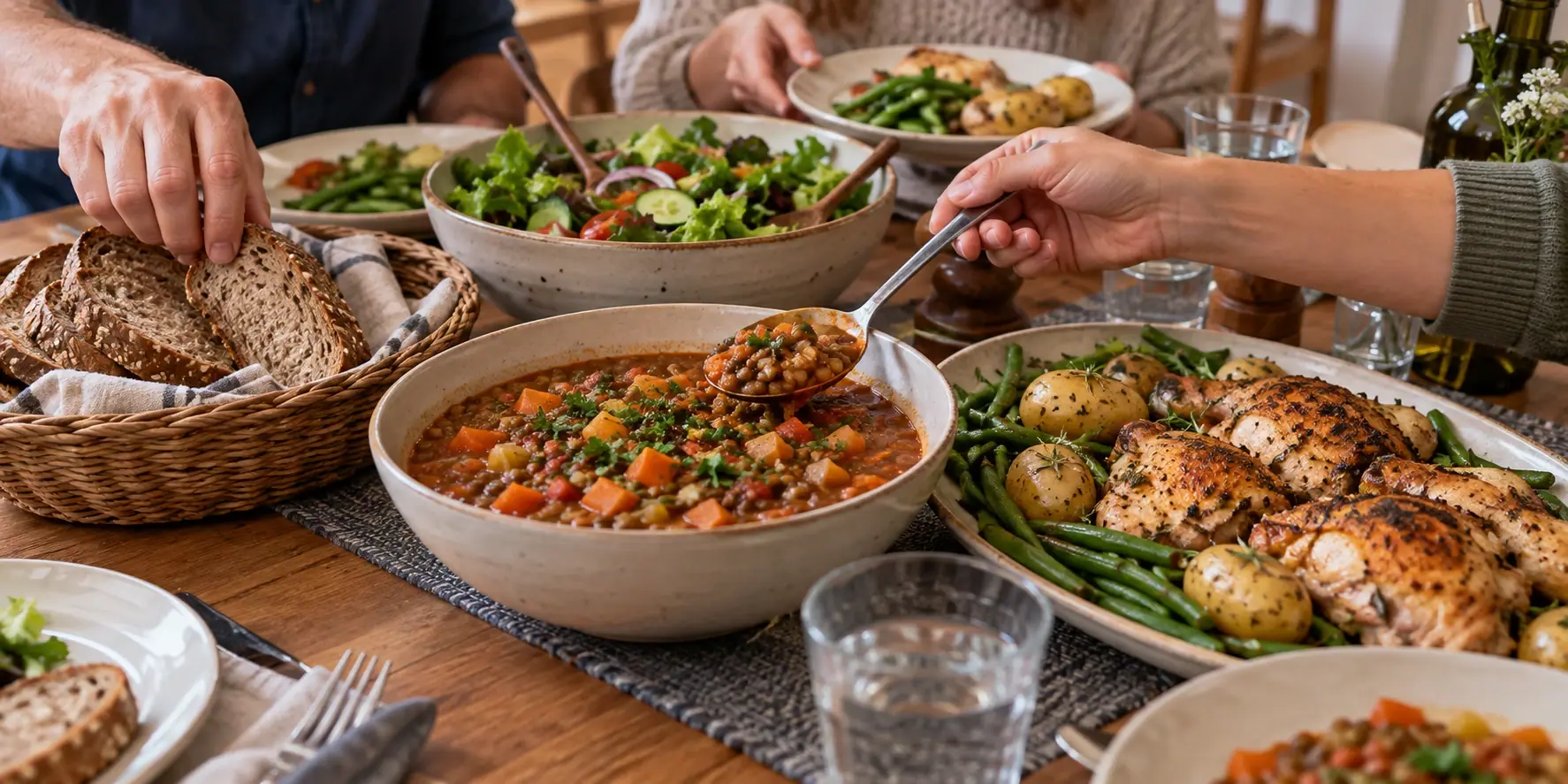
Yes, absolutely. Having Diabetes should not mean that you cannot join in with a festive meal. What is important is how you balance your plate at the meal, as well as thinking about the overall portion size of the meal. Try not to skip meals in advance to save calories, as this is likely to result in you eating more than you otherwise would have.
2. Can I eat mince pies, Christmas pudding and Christmas cake?
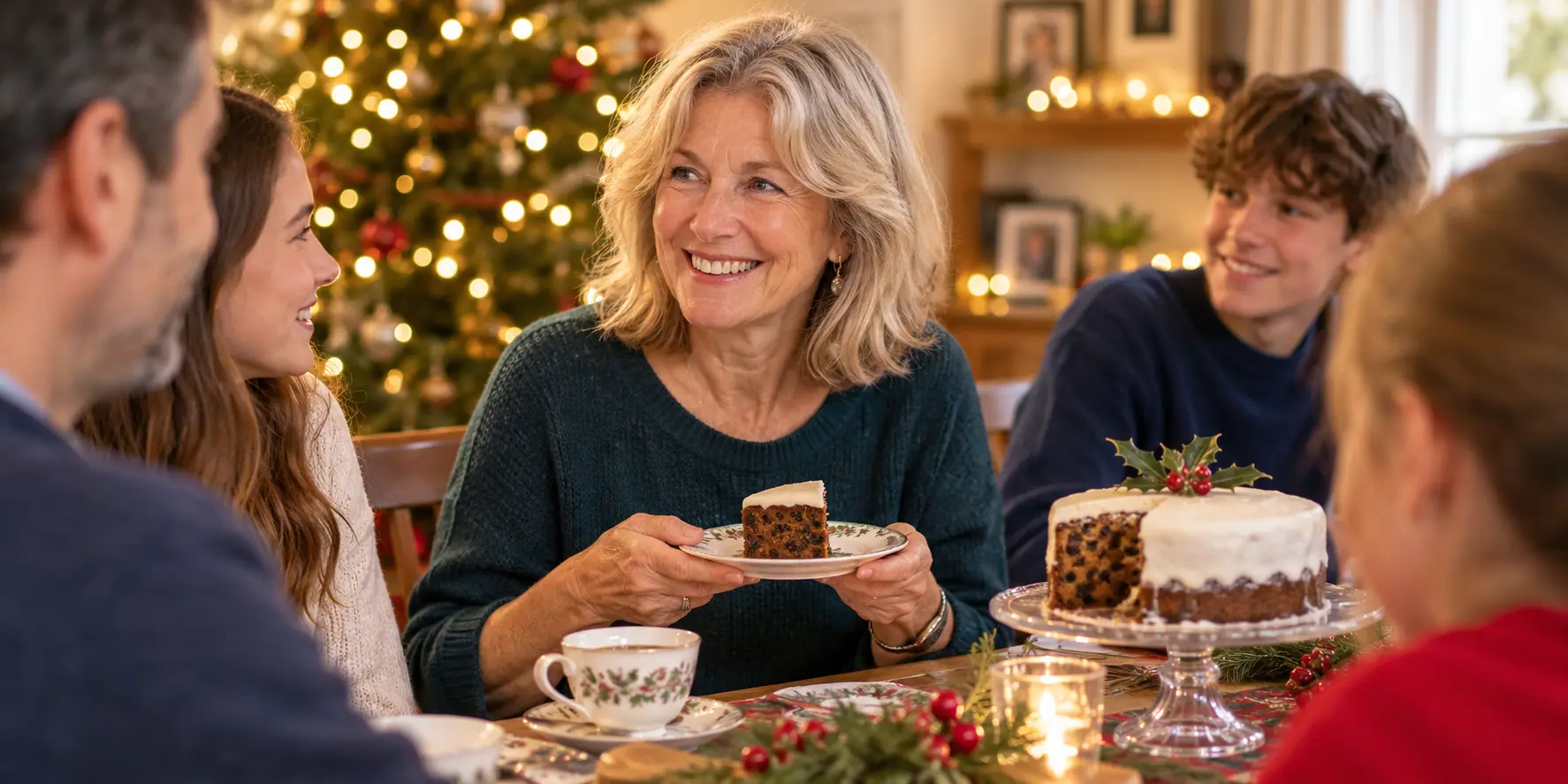
You can definitely still enjoy a mince pie, Christmas pudding or a slice of Christmas cake during the festive season. All three contain carbohydrate, from the pastry or cake as well as the dried fruit and added sugar. This means they will raise your blood sugar levels, so it's worth being mindful of portion size. Try eating them as dessert rather than in between meals for a smaller spike in blood sugar.
There is no need to buy ‘Diabetic’ versions. They are not a healthier option, as I explain in my post on Diabetes myths.
3. Can I drink alcohol at Christmas?
Yes, you can enjoy an alcoholic drink at Christmas if you have Diabetes, but there are a few things to be aware of.
Alcohol can affect blood glucose levels in different ways. Some drinks, such as sweet wines, liqueurs, cocktails and sugary mixers, contain significant amounts of carbohydrate and can cause blood glucose to rise. However, alcohol itself can also increase the risk of hypoglycaemia (a 'hypo'/low blood sugar), particularly if you take Insulin or certain Diabetes medications such as Gliclazide.
Never drink on an empty stomach, and let someone you are with know that you have Diabetes, as a hypo can be mistaken for being drunk (Diabetes UK (opens in a new tab)).
4. Will Christmas affect my blood sugar or HbA1c?
Christmas should not have a significant impact on your HbA1c, as this is a 3-month average, but it may affect your daily blood sugar readings, depending on what you eat/drink. Try to keep Christmas to a few days of over-indulgence, rather than weeks of it in order to minimise the effect on both blood sugar and weight.
5. How do I get back on track afterwards?
The best thing to do if you feel that you have overeaten over Christmas is to get back to your normal pattern of eating as quickly as you can. Do not feel that you ‘might as well wait until January’ or need to follow any drastic detox diets. Try to remember to balance your plate well, be aware of portion size and keep yourself well hydrated.
For more ideas, see my post on making a healthy diet part of your life. If you would like help to plan for Christmas, or to get back on track in the New Year, book a free 15-minute call.
Wishing you and your families a Merry Christmas and a very happy and healthy New Year.